New windows are one of the few home improvements that pay you back twice, once in comfort and again on your heating bills. We design, supply and fit uPVC and aluminium windows across Merseyside and Lancashire using Profile 22, Epwin and Safeguard systems built here in the UK. Every job is measured and installed by our own FENSA registered fitters, and the price is written down before anything is ordered. Book a free site survey and we will talk you through the styles below.
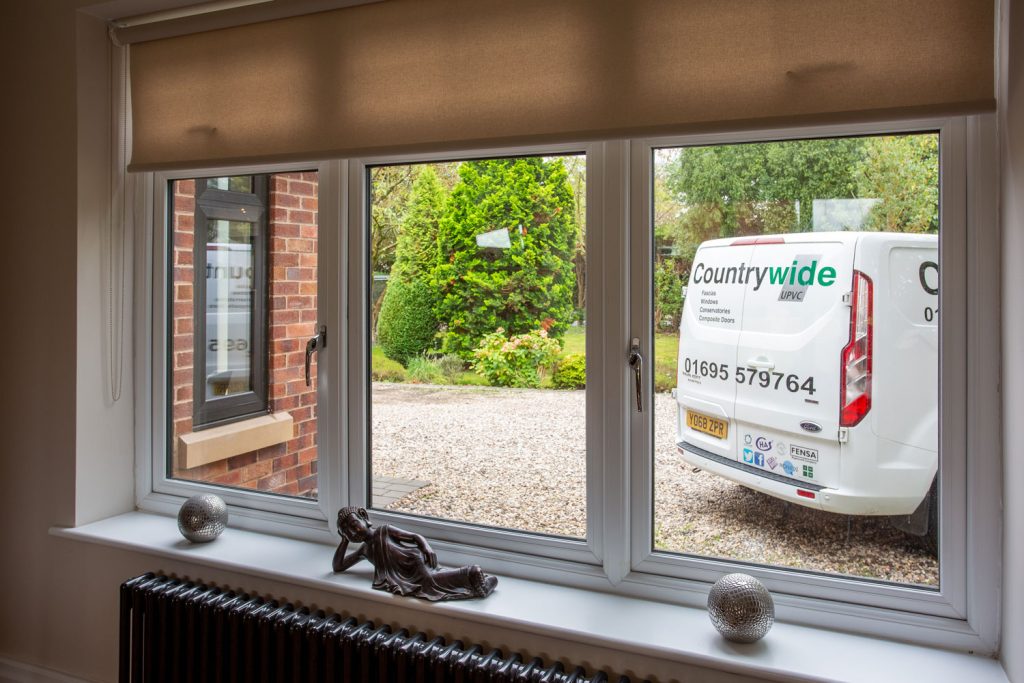
The sash is hinged at the side or the top and opens outward on a stay. Casements suit almost any opening, seal well against North West weather and are the most straightforward style to make in awkward sizes, which is why they account for most of what we fit. Available in a sculptured or slimline profile using Profile 22, Epwin and Safeguard systems.
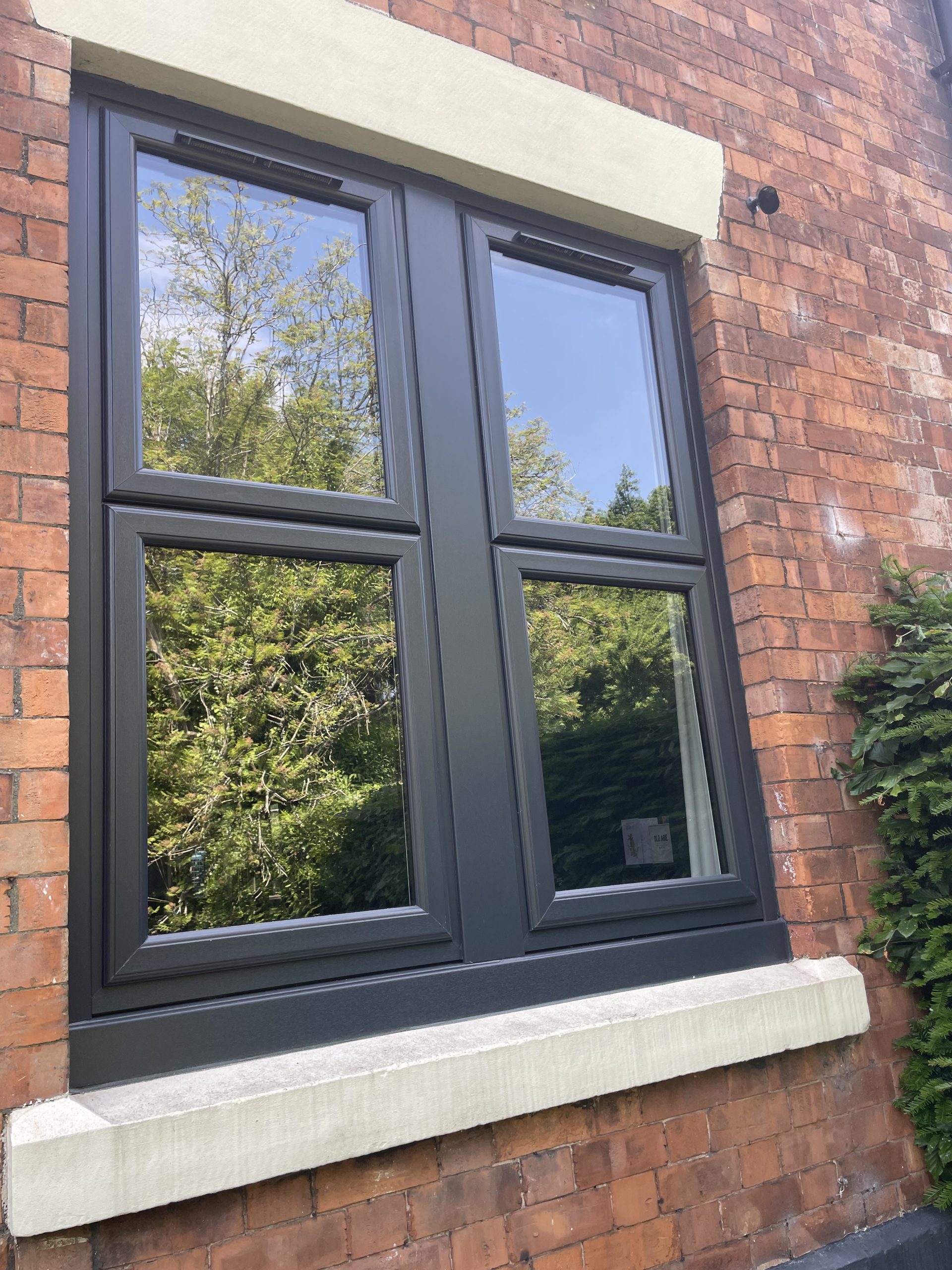
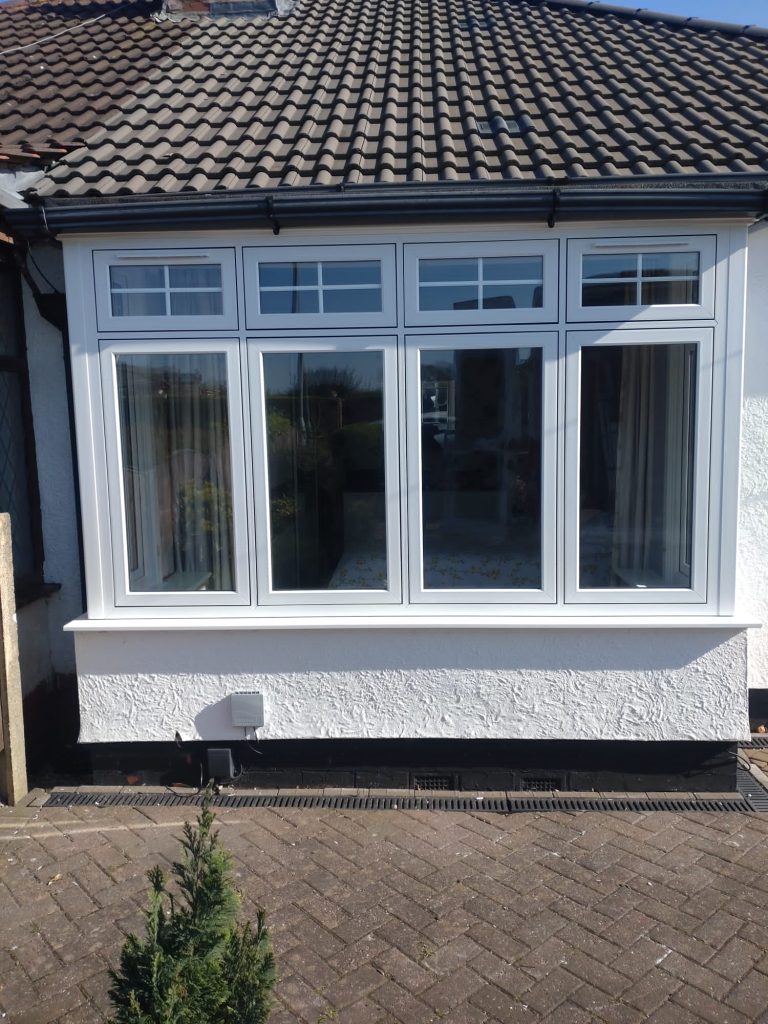
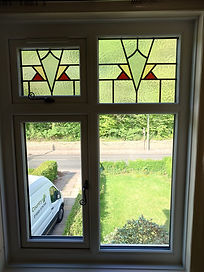
A casement where the sash sits level with the frame rather than standing proud of it, giving the clean shadow line of a painted timber window without the upkeep that comes with timber. It is the usual choice for period properties, conservation areas and front elevations where a standard casement would look too modern. Available in woodgrain foils as well as plain colours.
One handle, two ways of opening. Turn it part way and the top of the sash tilts inward for background ventilation that cannot be pushed open from outside. Turn it fully and the whole sash swings in, so the outside of the glass can be cleaned while standing in the room. Suited to flats, townhouses and upper floors where ladder access is awkward.
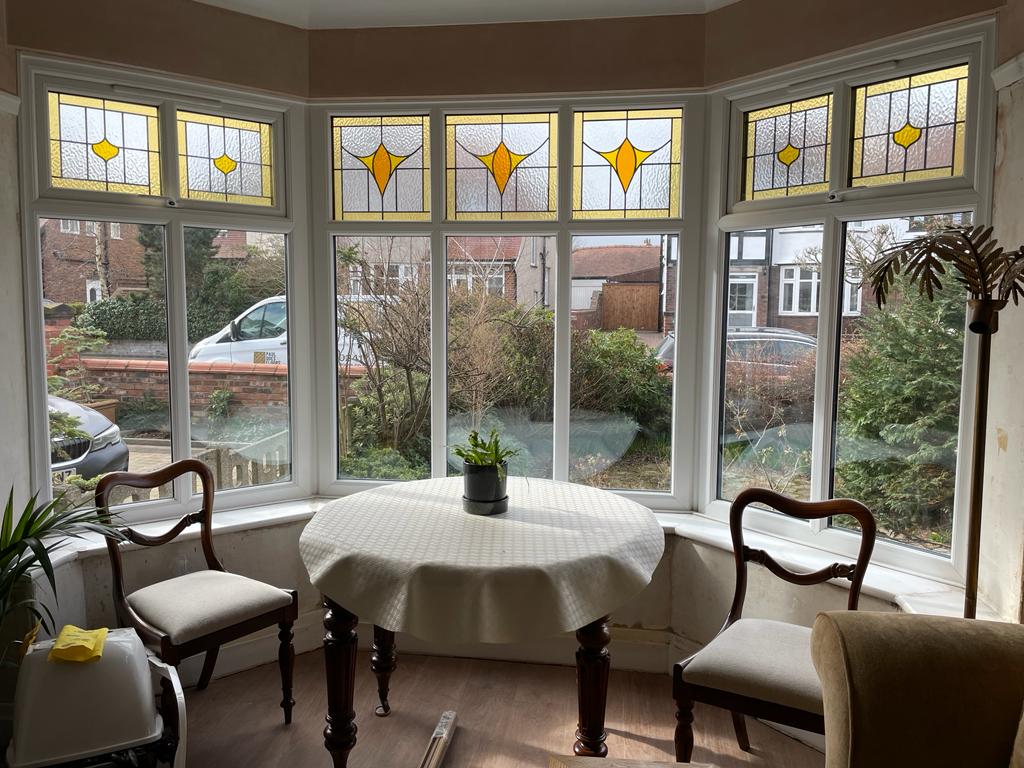
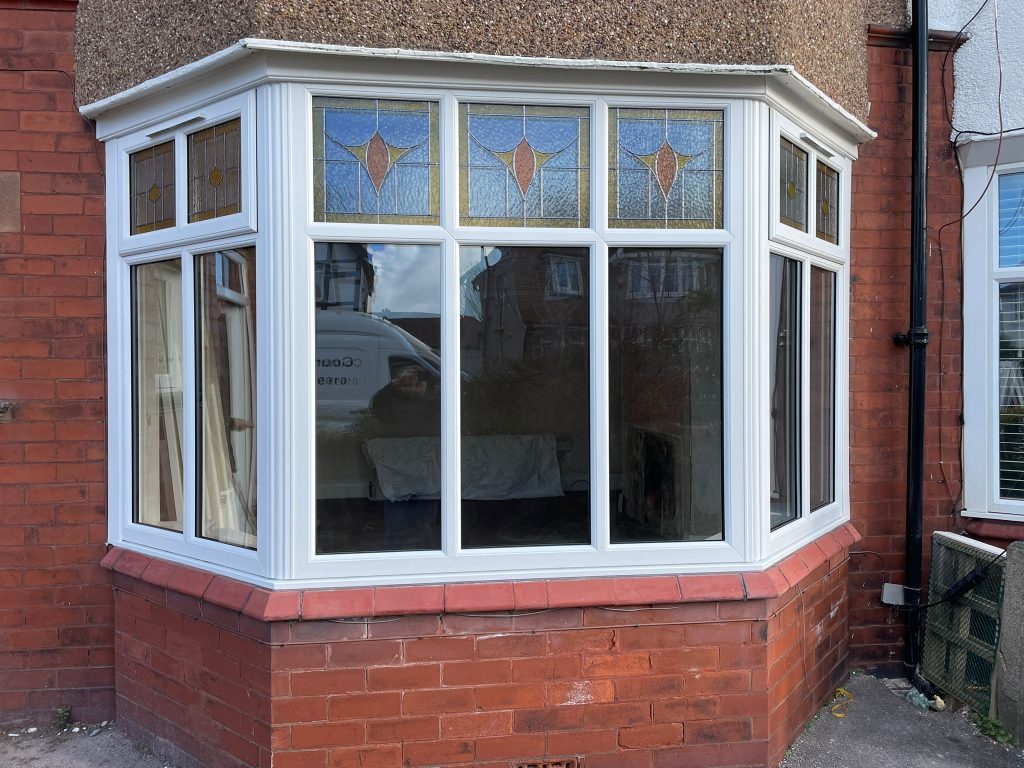
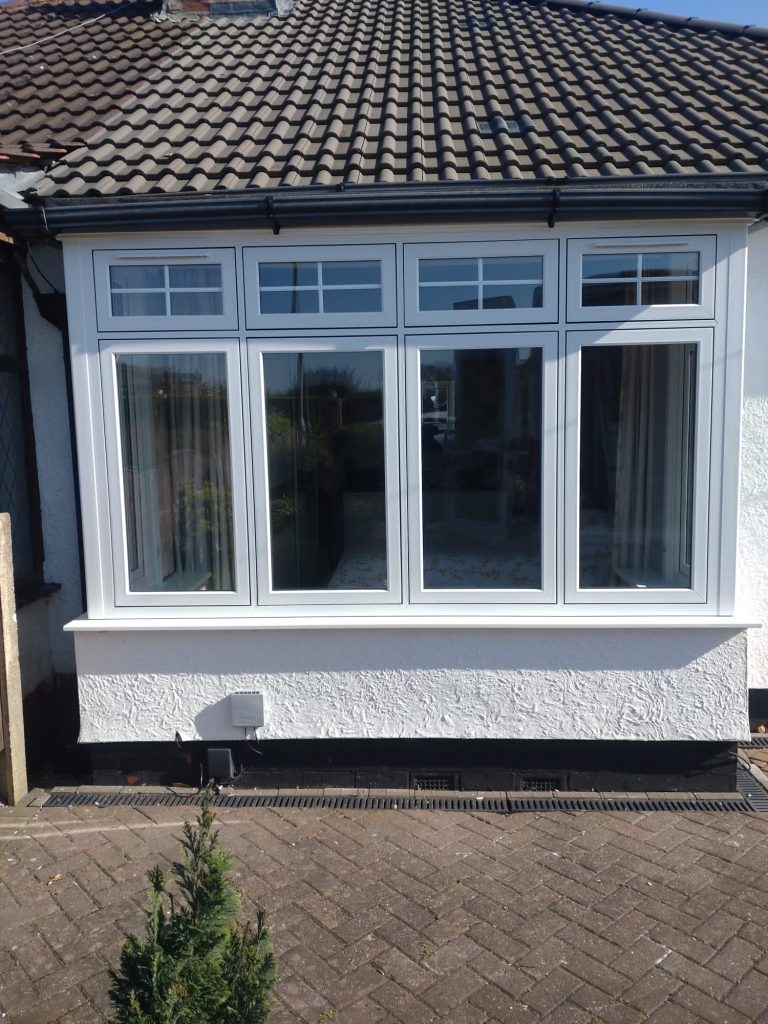
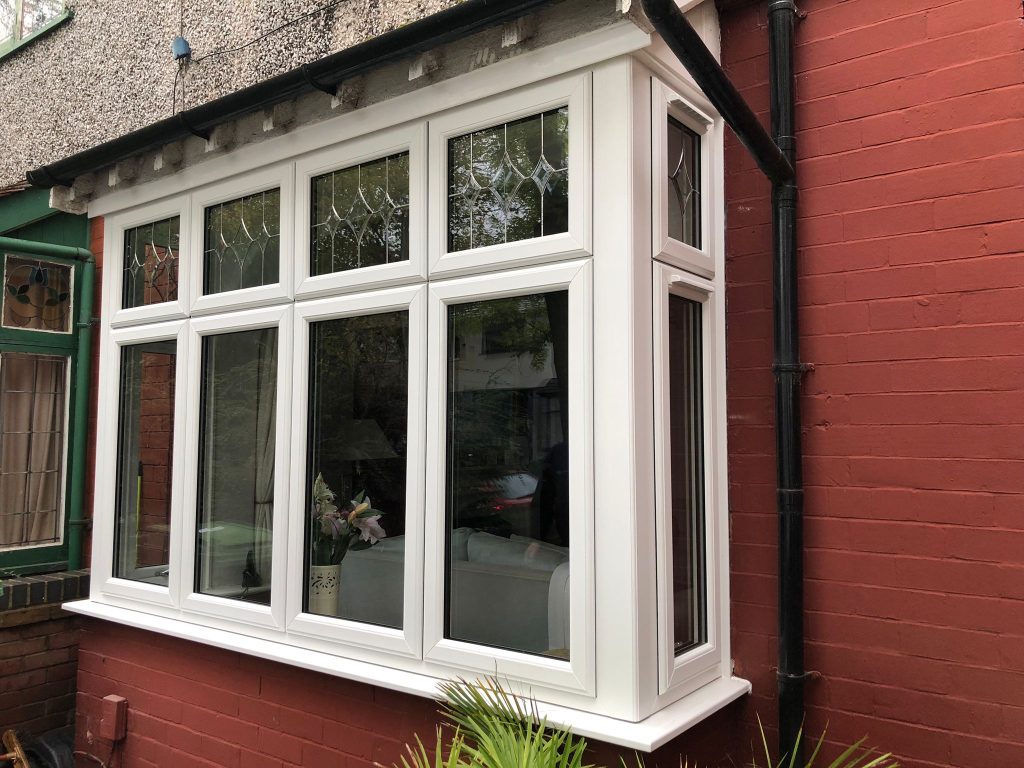
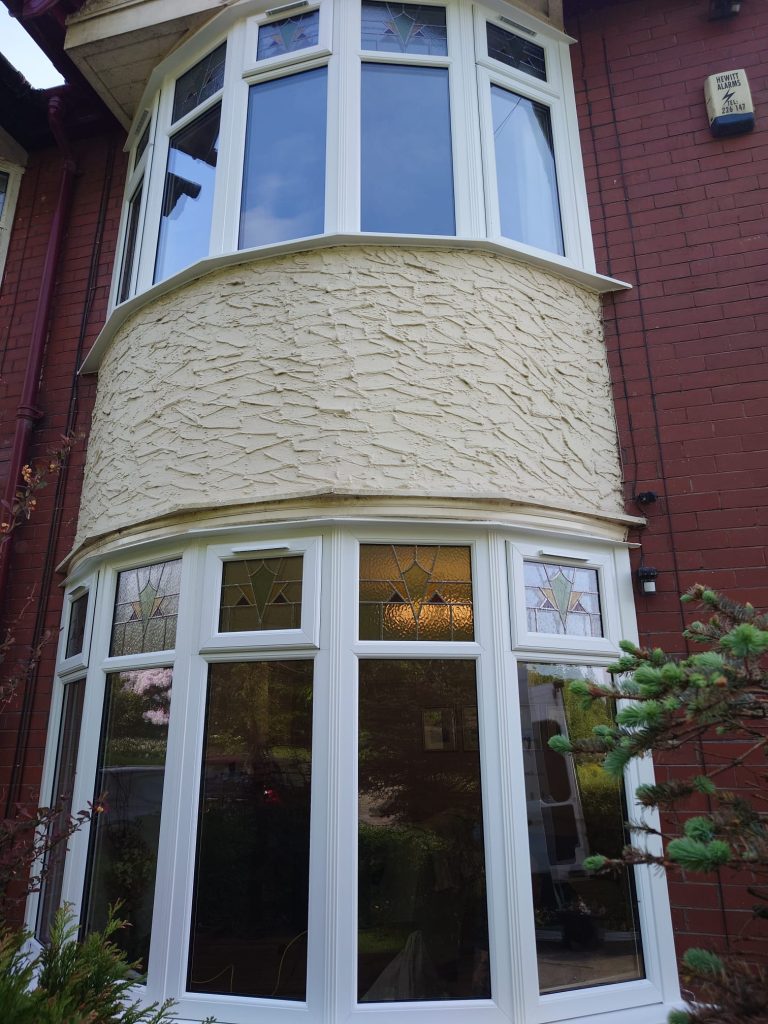
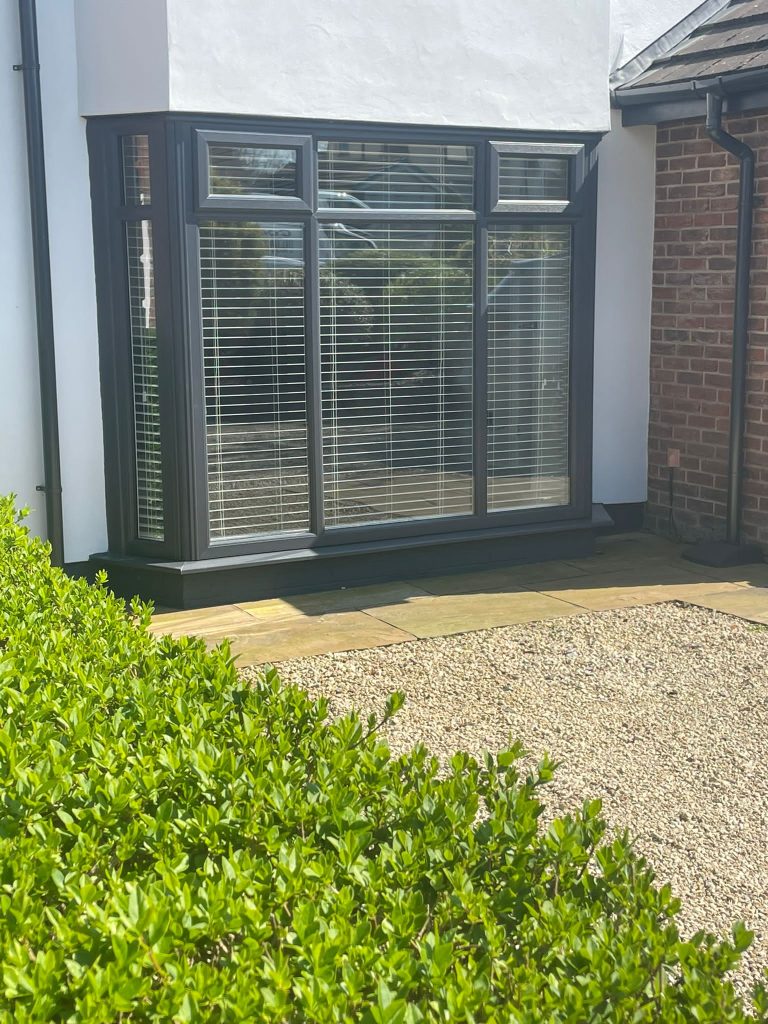
A bay projects out from the wall and is built from several frames joined at an angle, so it draws light in from more than one direction and adds usable floor space to the room behind it. Because a bay often helps carry the load above it, the replacement has to be propped and supported properly. Fitted in uPVC and aluminium, in flush or standard casement styles.
Aluminium is stronger than uPVC, so the frame can be slimmer for the same opening and you get more glass and less frame. Modern aluminium windows use a thermal break, an insulating barrier running through the middle of the frame, to stop the metal conducting heat straight out. Manufactured in the UK in a wide range of colours and textured finishes.
Most homes end up with a mix rather than one style throughout: casements through the back, a flush casement or a bay at the front where it faces the street, and tilt and turn upstairs where cleaning is difficult. The table below is a quick way to narrow the list down before we come out and survey.
| Style | How it opens | Frame material | Best suited to | Clean the outside from indoors |
|---|---|---|---|---|
| Casement | Side or top hung, opens outward | uPVC or aluminium | Almost any opening, most homes | Ground floor or easy access only |
| Flush casement | Side or top hung, sash sits flush | uPVC | Period homes, conservation areas, front elevations | Ground floor or easy access only |
| Tilt and turn | Tilts in at the top or swings fully inward | uPVC | Flats, upper floors, awkward access | Yes |
| Bay | Casement or flush sashes across an angled frame | uPVC or aluminium | Period bays, front rooms wanting light and space | Not usually |
| Aluminium | Usually side hung, slim sightlines | Aluminium | Large openings, extensions, maximum glass | Depends on position |
Every window is made to measure, so sizes, opening positions and glazing bars are worked out on site rather than picked from a catalogue. Where two styles would both work, we will tell you what the difference is in practice and what it does to the price.
Two numbers matter when you compare window quotes. The first is the U-value, which measures how quickly heat passes through the whole window, frame and glass together, in watts per square metre per degree (W/m2K). Lower is better. Check which figure you are being given, because a centre pane U-value always reads better than the whole window figure it sits inside.
The second is the Window Energy Rating, or WER. This is the BFRC scale running from A++ down to E, and it is worked out from three things at once: solar gain, the free heat coming in through the glass; thermal transmittance, the heat escaping back out; and air leakage, the draughts around the seals. One window can lose more heat than another and still sit in a higher band because it lets more sun in, which is why the band and the U-value are worth reading together rather than picking whichever number looks best.
Building Regulations set the floor. In England, replacement windows in an existing home have to reach a whole window U-value of 1.4 W/m2K or better, or a Window Energy Rating of band B or better. New dwellings are held to a tighter target of 1.2 W/m2K. Because our installations are FENSA registered, the work is notified to building control for you and you receive the certificate you will be asked for when you sell the house.
What moves the rating is the specification rather than the badge on the frame. A low emissivity coating on the inner pane, argon gas in the cavity, a warm edge spacer bar in place of aluminium, and the number of chambers in the profile all change the result. So does the window itself, since a large pane in a slim frame behaves differently from a small pane in a thick one. That is why a rating belongs to a particular window in a particular opening rather than to a product range as a whole.
Ask for the whole window U-value and the WER band in writing so you can compare one quote against another on the same terms. Ours are set out on the survey alongside the glass specification. Call 0151 245 7067 for Liverpool and Merseyside, 01695 579 764 for Lancashire, or send an enquiry and we will arrange a free site visit.

Countrywide Upvc (NW) Ltd | Double Glazing | UPVC Windows & Doors
104 New Ct Way
Ormskirk
L39 2YT
Lancashire - 01695 579 764
Liverpool - 0151 245 7067
info@countrywideupvc.co.uk
Opening Hours
Monday to Friday: 9 am – 5 pm
Saturday & Sunday : Closed




Sitemap | Privacy | Contact Us | Checkatrade | FENSA | Trustpilot